How the Sheldrick Wildlife Trust Helps Orphaned Elephants
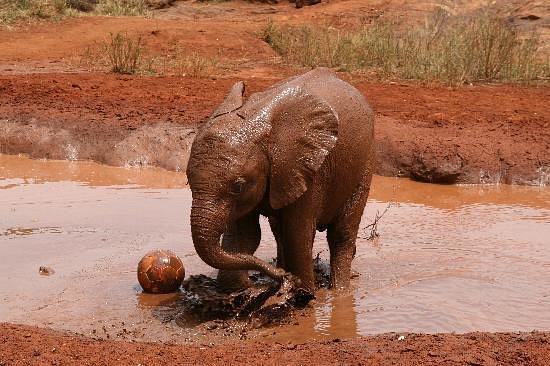
Elephants are intelligent, social animals that depend on suitable habitats and complex social relationships. When a young elephant loses its mother or becomes separated from its family, its survival may depend on specialised care and long-term rehabilitation.
The Sheldrick Wildlife Trust is widely known for its work rescuing orphaned elephants and supporting their care. For visitors researching the David Sheldrick Elephant Orphanage, understanding this conservation work can make a visit more meaningful.
This guide explains the broader principles behind elephant rescue and rehabilitation. For details about specific animals, current programmes and the Trust’s work, consult the official Sheldrick Wildlife Trust website.
Why Do Elephants Become Orphaned?
Elephant calves can be left without their mothers for several reasons. These may include threats linked to human activity, conflict, poaching and other circumstances that affect elephant survival.
The circumstances surrounding each orphan can be different. It is important not to assume that every rescued elephant has the same history or that the cause of separation is known in every case.
Wildlife rescue organisations assess individual cases and determine what care is appropriate based on the animal’s condition and needs.
What Happens When an Elephant Calf Is Rescued?
Rescue is only the beginning of a demanding process. A vulnerable calf may need urgent assessment, specialist care and close monitoring.
The exact treatment depends on the animal and the circumstances of its rescue. The following are general aspects of elephant rehabilitation, not a guarantee of the steps taken in every individual case.
Initial Assessment and Care
A rescued calf may need an assessment of its health, hydration, nutritional needs and overall condition. Qualified staff determine what care is appropriate.
Young elephants can be particularly vulnerable, which makes timely intervention and specialist knowledge important.
Feeding and Monitoring
Young elephants have specific nutritional requirements. Their care may involve carefully managed feeding, observation and adjustments as they grow.
The precise routine varies according to the elephant’s age, health and individual needs. Refer to the Trust’s own publications for details about its care practices.
Social Development
Elephants are social animals, and their development involves more than physical health. Rehabilitation must consider behaviour, socialisation and the needs of individual animals.
The way rescued elephants are cared for is determined by the conservation professionals responsible for them.
What Does Rehabilitation Mean?
Rehabilitation aims to support an animal’s welfare and, where appropriate, prepare it for a future in a suitable natural environment.
It is not an identical process for every elephant. Progress depends on the individual animal, its health, behaviour and circumstances. It would be inaccurate to promise a specific outcome or timeline without evidence from the organisation responsible for the animal.
The Trust’s published reports and updates are the appropriate sources for information about its approach and the progress of individual elephants.
Why Habitat Protection Matters
Rescuing individual elephants is only one part of elephant conservation. Suitable habitat, safe movement routes and protection from threats are also important to the long-term survival of wild elephant populations.
Conservation efforts may involve responding to wildlife threats, protecting habitats, supporting field operations and working with relevant partners. The exact programmes and current priorities should be confirmed through the organisation’s official reporting.
This wider perspective helps explain why responsible wildlife tourism should be accompanied by an interest in habitat protection and animal welfare.
How Can Visitors Support Elephant Conservation?
Visitors can learn about conservation and make informed decisions about the wildlife experiences they choose.
Consider these practical steps:
- Read the organisation’s official information before visiting.
- Respect animal welfare and visitor rules.
- Avoid experiences that encourage inappropriate contact with wild animals.
- Share verified conservation information rather than unconfirmed claims.
- Consult the Trust’s official channels for current ways to support its work.
If you are considering a visit to the elephant nursery, check the Sheldrick Wildlife Trust’s official website for its current visitor arrangements.
Visiting the David Sheldrick Elephant Orphanage
The familiar name David Sheldrick Elephant Orphanage is often used when researching the Trust’s elephant nursery in Nairobi. A visit can offer an introduction to the organisation’s work, subject to the current visitor rules and confirmed arrangements.
Check the reservation requirements before organising transport. If you need help planning a journey in Nairobi, enquire with Whisper Claw Safaris about the services available through its David Sheldrick Elephant Orphanage Tour.
Remember that a transport booking does not itself guarantee admission. Confirm the visit directly with the Trust.
Frequently Asked Questions
What does the Sheldrick Wildlife Trust do?
The Trust is known for wildlife conservation, including rescuing and caring for orphaned elephants. Its official website provides current information about its programmes.
Can every orphaned elephant return to the wild?
Outcomes depend on the individual elephant and its circumstances. Do not assume that all rescued animals follow the same rehabilitation path.
Why do young elephants need specialised care?
Young elephants have particular nutritional, health and developmental needs. Their care may require close monitoring and specialist knowledge.
How can I learn about an individual rescued elephant?
Consult the Trust’s official updates and publications for information it has shared about individual animals.
Can I visit the Trust in Nairobi?
Visitor access depends on the Trust’s current arrangements. Check its official visitor information before making travel plans.
Learn More About Elephant Conservation
Understanding the work behind elephant rescue helps visitors see the experience in a wider conservation context. For accurate details, use the Trust’s own reporting and visitor guidance.
If you are planning a visit in Nairobi, explore the David Sheldrick Elephant Orphanage Tour with Whisper Claw Safaris and confirm the transport services available for your trip.